
Introduction
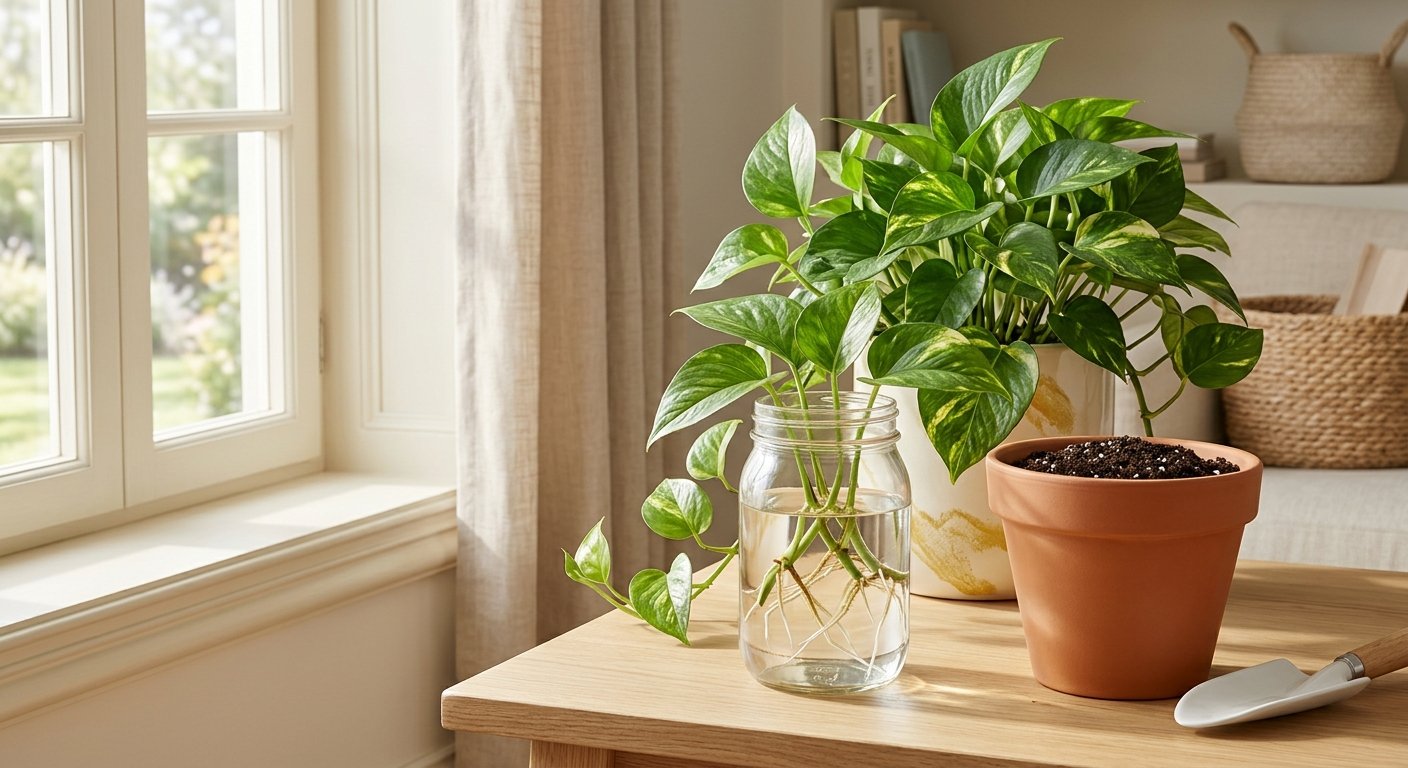
Pothos is one of the easiest houseplants to propagate, making it a great choice for beginners and experienced plant lovers alike. Instead of buying a new plant, you can grow another pothos from a healthy cutting taken from an existing vine. With the right technique, a little patience, and proper care, your cutting can develop roots and eventually grow into a beautiful new plant.In this guide, you will learn how to take pothos cuttings, propagate them in water or soil, encourage healthy root growth, and avoid common mistakes.
Table of Contents
What You Need to Grow Pothos from Cuttings
Choose a Healthy Pothos Vine
Take the Cutting Correctly
Identify the Node on Your Cutting
How to Propagate Pothos in Water
How to Propagate Pothos Directly in Soil
Provide the Right Light and Temperature
How Long Does Pothos Take to Root?
When to Transfer Water-Rooted Cuttings to Soil
Common Propagation Mistakes to Avoid
1.What You Need to Grow Pothos from Cuttings
You do not need expensive equipment to propagate pothos. A few basic household or gardening items are enough to get started.
Gather the following materials:
- A healthy pothos plant
- Clean, sharp scissors or pruning shears
- A clear glass or jar if propagating in water
- Fresh, clean water
- A small pot with drainage holes if propagating in soil
- A suitable, well-draining potting mix
Before cutting your plant, clean your scissors to reduce the risk of transferring disease. Prepare your container in advance so you can place the cutting into water or soil soon after trimming it.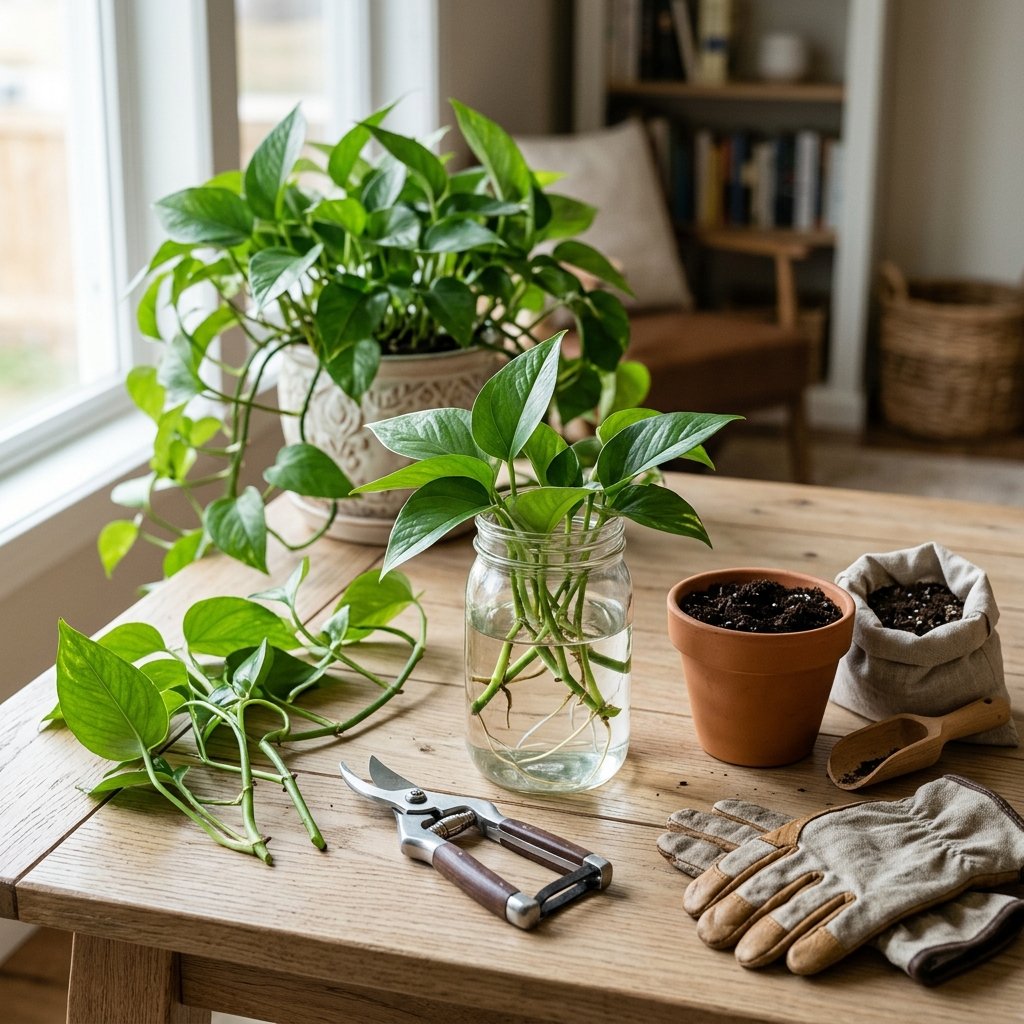
2.Choose a Healthy Pothos Vine
The quality of your cutting affects its chances of developing healthy roots. Choose a healthy green vine with firm stems and leaves that show no obvious signs of disease or pest damage.Avoid taking cuttings from stems that are mushy, badly damaged, or covered in suspicious spots. A healthy parent plant is more likely to produce strong cuttings.You can propagate pothos during most of the year indoors, but spring and summer are often ideal because the plant is actively growing. Cuttings can still root in other seasons when indoor conditions are warm and bright enough.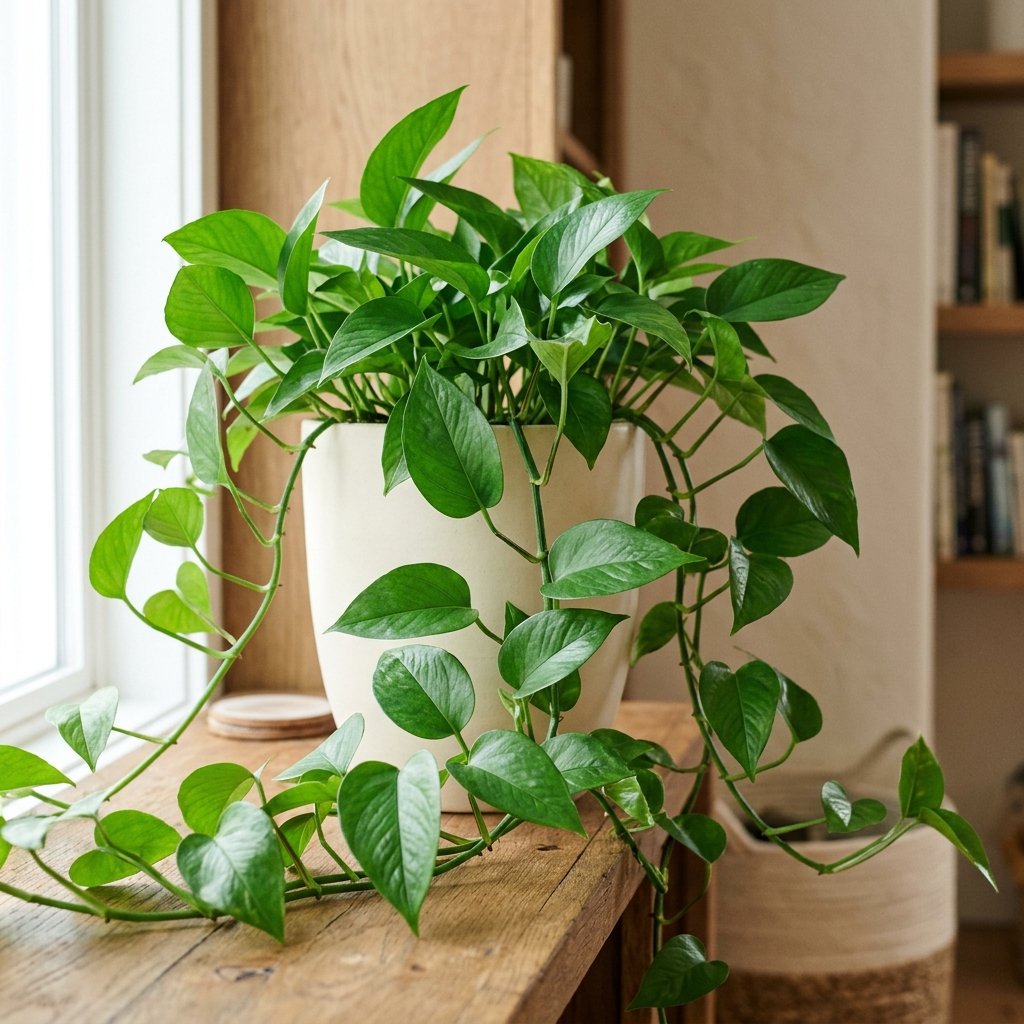
3.Take the Cutting Correctly
Use clean scissors to cut a section of vine just below a node. For beginners, a cutting with one or two nodes and at least one healthy leaf is a practical starting point.A node is the point on the stem where a leaf grows and where roots can develop. Make sure the cutting includes at least one node because a leaf without a node generally will not produce a new pothos plant.If you want to propagate several plants, take multiple cuttings from healthy vines. Avoid removing too much growth from the parent plant at one time.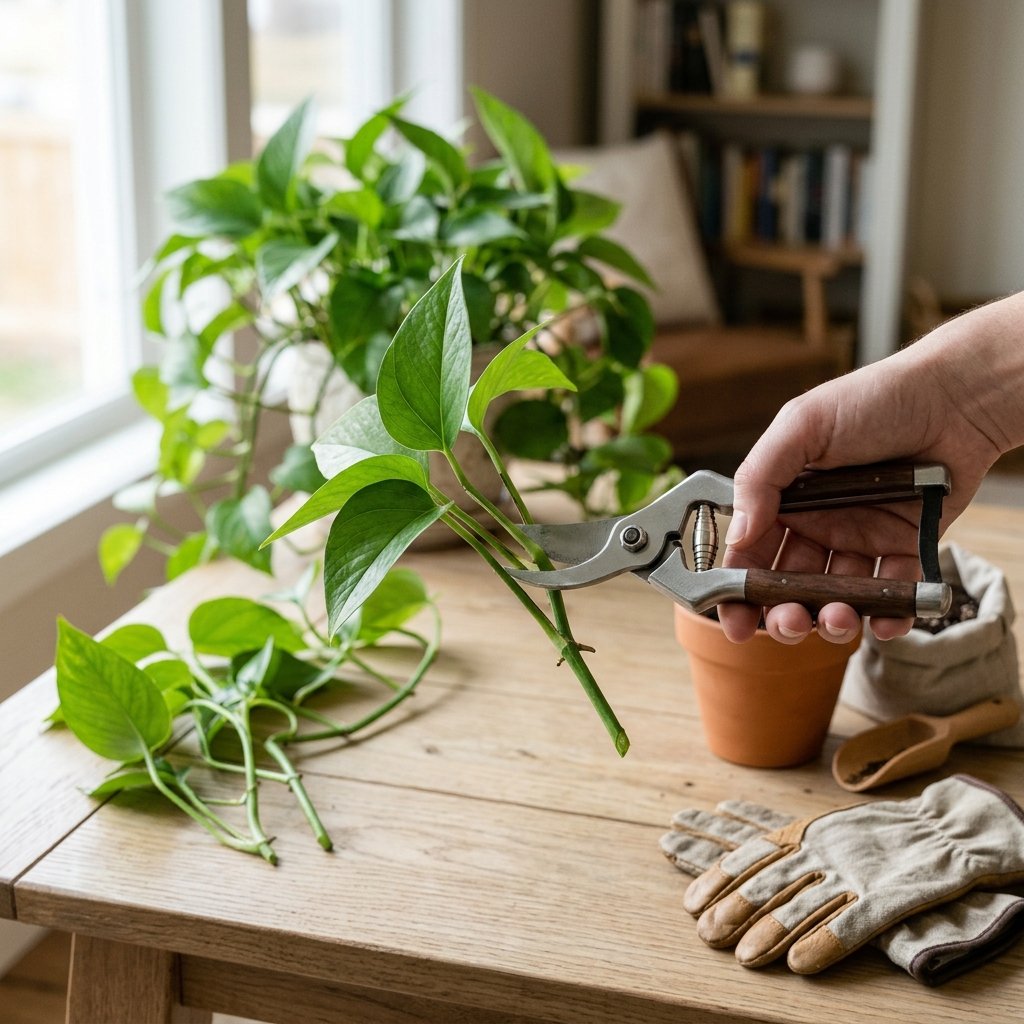
4.Identify the Node on Your Cutting
Identifying the node is one of the most important steps in pothos propagation. Nodes usually appear as small bumps or slightly raised areas on the stem near where a leaf joins the vine.Aerial roots may already be visible near some nodes. These small root-like structures can help the cutting establish itself more easily.When preparing the cutting, remove any leaf that would sit below the waterline or become buried in soil. Keep the node accessible to moisture while ensuring the remaining leaf stays above water or the soil surface.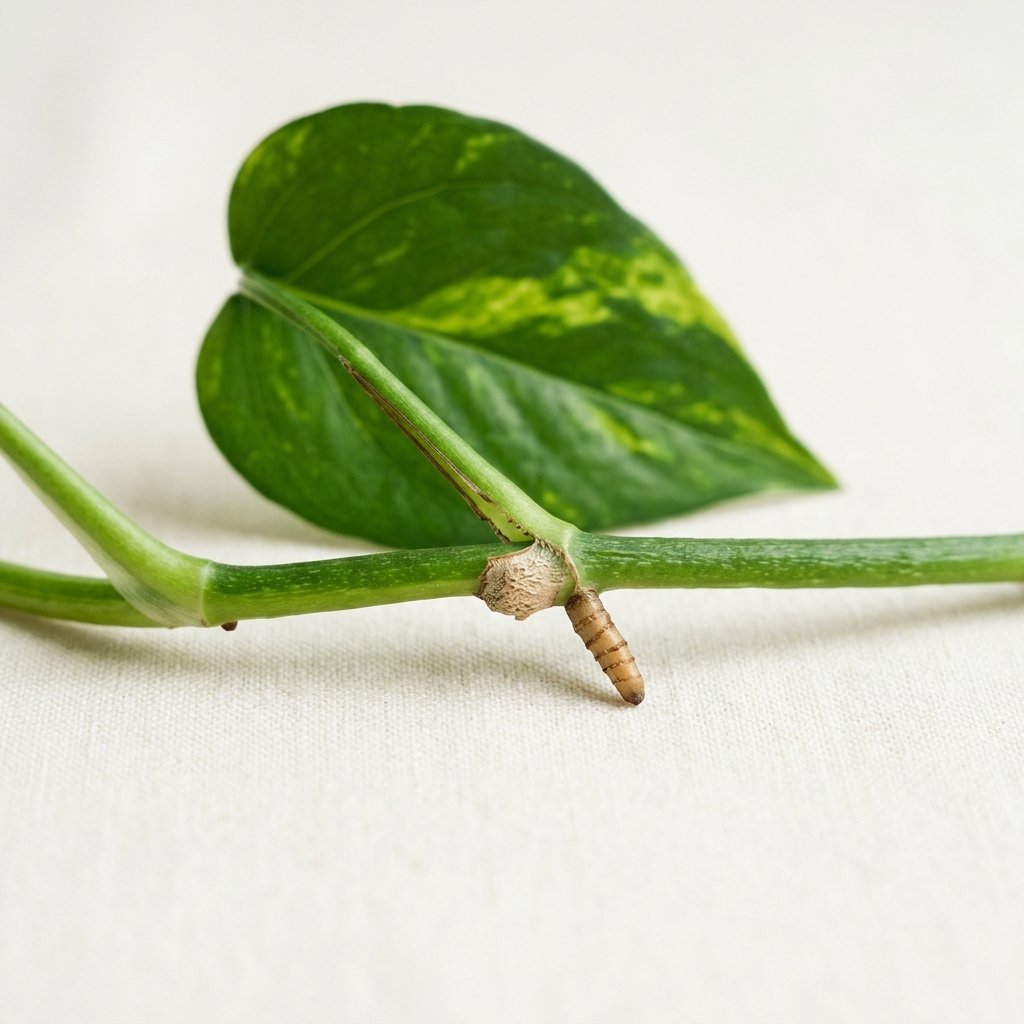
5.How to Propagate Pothos in Water
Water propagation is popular because it is simple and allows you to watch the roots develop.
Follow these steps:
- Fill a clean glass or jar with room-temperature water.
- Place the cutting in the container so that at least one node is submerged.
- Keep the leaf above the water to prevent it from rotting.
- Position the jar in bright, indirect light.
- Change the water when it becomes cloudy, and replenish it as needed.
Small roots may begin appearing within a week or two, although timing varies depending on temperature, light, and the cutting’s condition.Once the roots have developed into a healthy network, you can transfer the cutting into potting mix or continue growing it in water with appropriate care.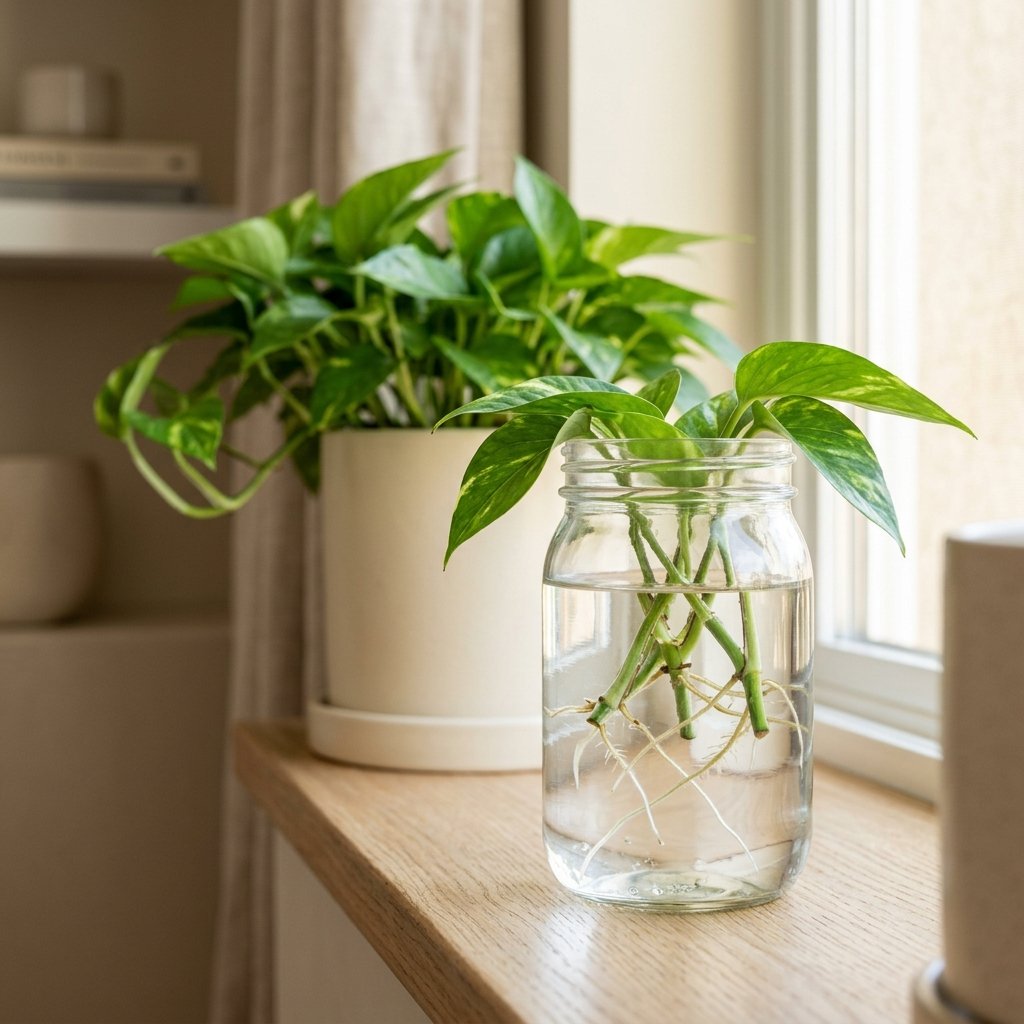
6.How to Propagate Pothos Directly in Soil
You can also grow pothos cuttings directly in soil. This method avoids the need to transfer water-grown roots later.Start by filling a small pot with a loose, well-draining potting mix. Make a small hole, place the node beneath the surface, and gently firm the soil around the stem.Water the mix so it is evenly moist but not waterlogged. Place the pot in a warm location with bright, indirect light.Check the soil regularly and keep it lightly moist while the cutting establishes roots. Do not let the pot sit in standing water, as excessive moisture can cause the cutting to rot.Because you cannot see the roots developing, avoid repeatedly pulling the cutting out of the soil to check its progress.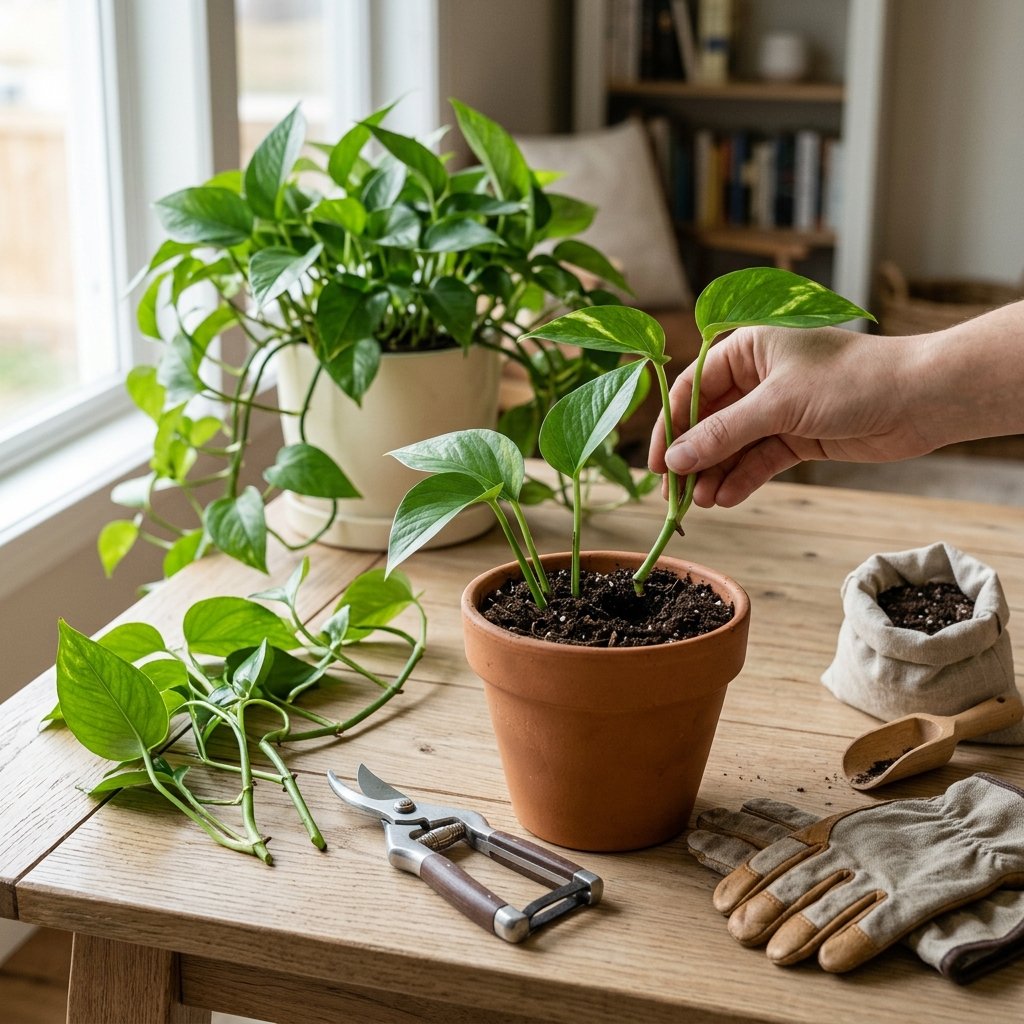
7.Provide the Right Light and Temperature
Light and temperature affect how quickly pothos cuttings develop roots. Bright, indirect light provides energy for healthy growth without exposing delicate leaves to harsh sunlight.Keep your cuttings in a comfortably warm indoor location, away from cold drafts and sudden temperature changes. Typical warm room temperatures are generally suitable for pothos propagation.Avoid placing the jar or pot in intense afternoon sunlight. Water can heat up quickly in a sunny window, and the leaves may become scorched.Consistent conditions are usually more helpful than frequently moving the cutting from one location to another.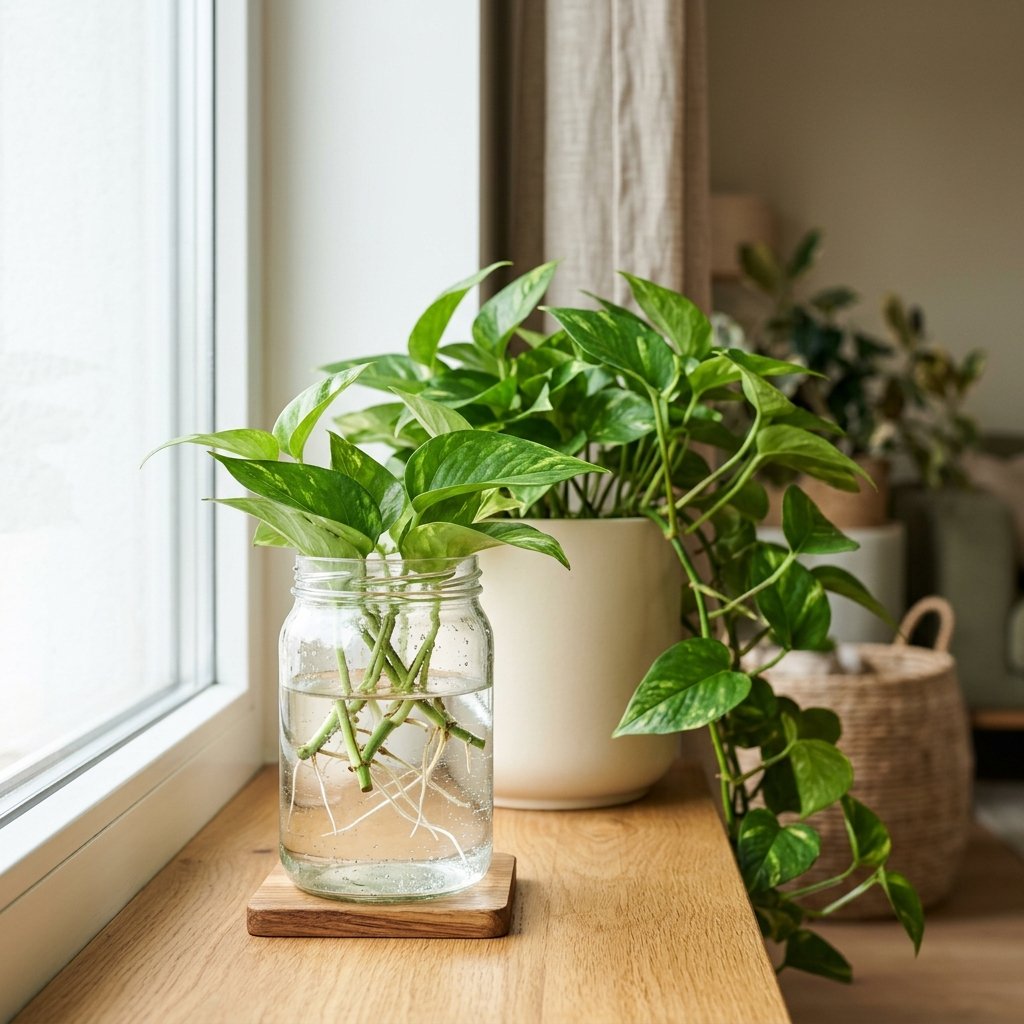
8.How Long Does Pothos Take to Root?
Pothos cuttings often begin developing roots within one to three weeks under favorable conditions. However, some cuttings may take longer, particularly when the weather is cool or light levels are low.Water-grown cuttings make root development easy to observe. Soil-grown cuttings may require more patience because the roots remain hidden.Signs of progress include new roots, a firm stem, and eventually fresh leaf growth. Do not assume a cutting has failed simply because it has not produced a new leaf immediately.If the stem becomes mushy, turns black near the base, or develops an unpleasant smell, rot may be present. Remove damaged tissue if possible and start again with a healthy section.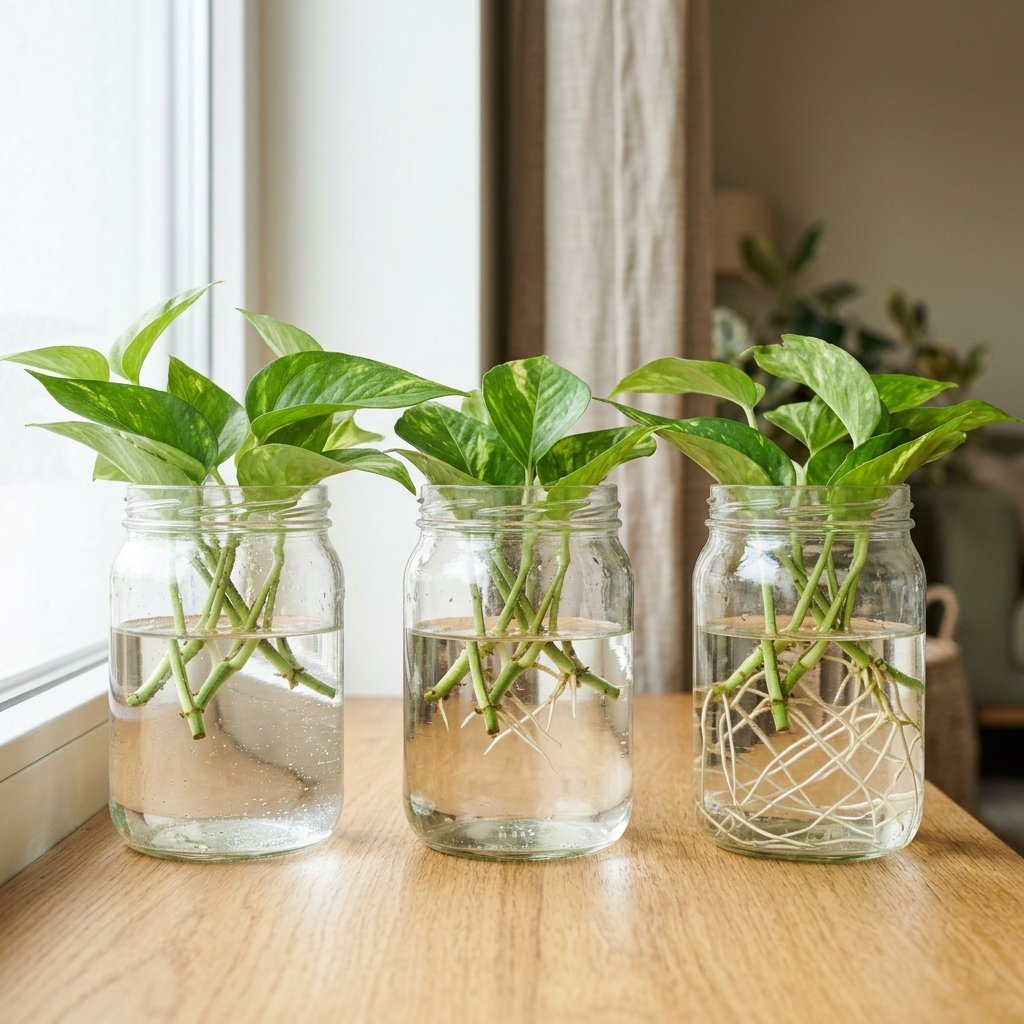
9.When to Transfer Water-Rooted Cuttings to Soil
You can transfer a water-rooted pothos cutting into soil once it has developed several healthy roots, ideally with some branching. Roots around 2–3 inches long can be a useful guide, although there is no exact required length.Choose a small pot with drainage holes and fill it with a well-draining houseplant mix. Make a hole large enough to accommodate the roots without bending or crushing them.Position the cutting so the roots and node are covered by the mix while the leaves remain above the surface. Water gently and allow excess water to drain.For the first few weeks, monitor soil moisture carefully. Roots developed in water may need time to adjust to the different conditions in potting mix.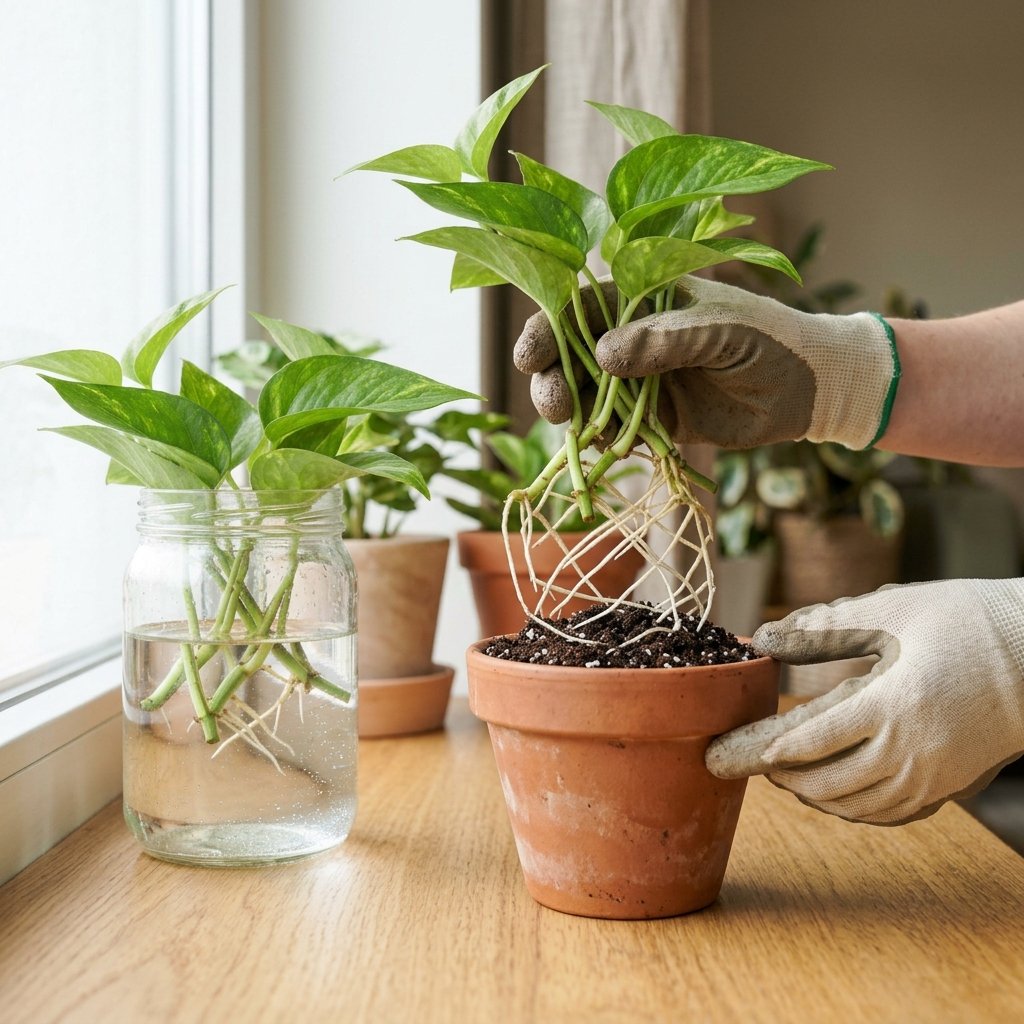
10.Common Propagation Mistakes to Avoid
Even though pothos is easy to propagate, a few mistakes can slow root development or cause cuttings to fail.
- Cutting without a node: A leaf alone generally cannot grow into a new pothos plant.
- Submerging the leaves: Leaves sitting in water can decay and contaminate the container.
- Using dirty tools: Unclean scissors can spread disease.
- Keeping soil too wet: Waterlogged soil can cause the cutting to rot.
- Providing harsh direct sunlight: Strong sunlight can stress or scorch delicate cuttings.
- Changing water too infrequently: Cloudy or foul-smelling water should be replaced.
- Checking roots too often: Repeatedly disturbing the cutting can damage developing roots.
Give your cutting time to establish itself, and focus on maintaining clean water or appropriately moist soil, suitable light, and warm conditions.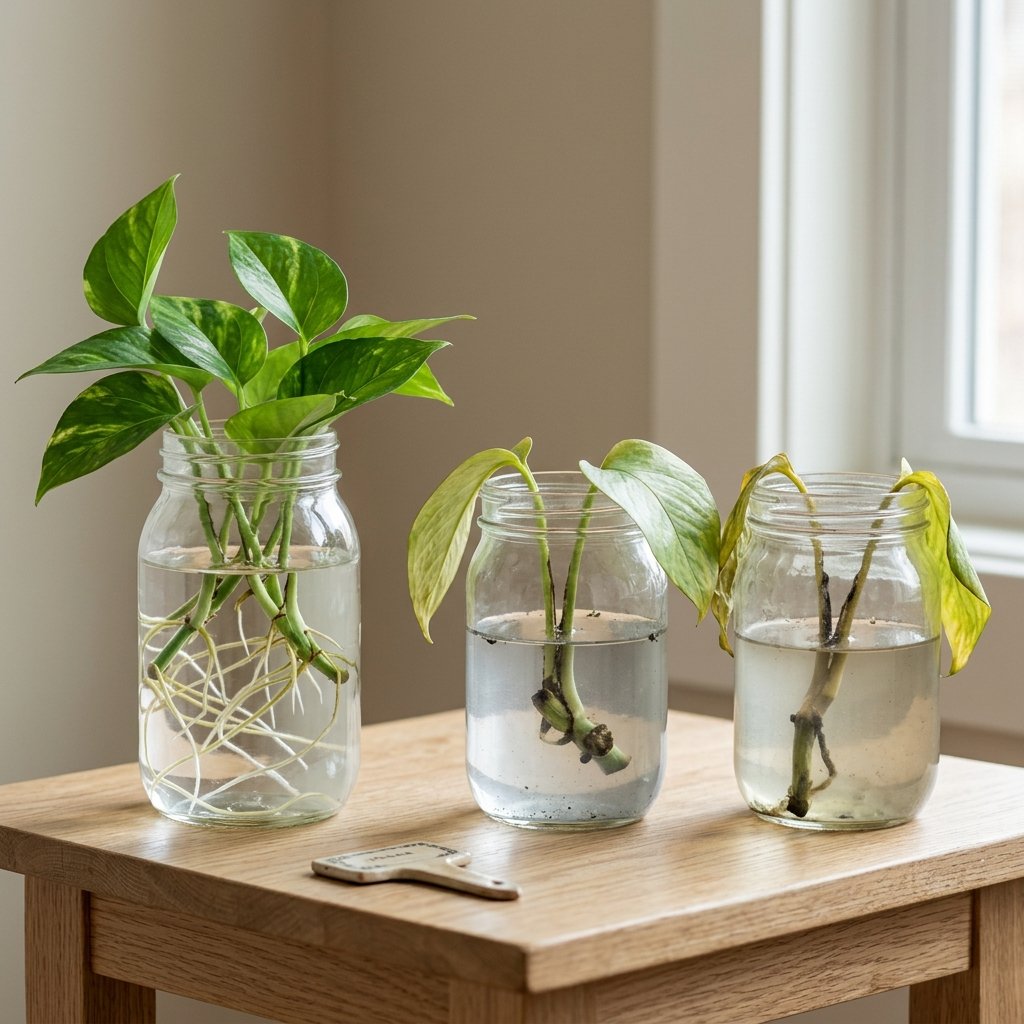
Conclusion
Growing pothos from cuttings is an easy and affordable way to expand your indoor plant collection. You can propagate cuttings in water to watch the roots develop or plant them directly in a well-draining potting mix.
The most important step is to include a healthy node in every cutting. With bright indirect light, suitable warmth, and careful moisture management, your cuttings can develop healthy roots and eventually grow into beautiful new pothos plants.
Frequently Asked Questions (FAQs)
Q1.Can I grow pothos from a single leaf?
A single leaf without a node generally will not develop into a complete new pothos plant. Choose a cutting that includes at least one node, where new roots and growth can develop.
Q2.How long does pothos take to grow roots in water?
Pothos cuttings often begin rooting within one to three weeks under suitable conditions. Some take longer depending on temperature, light, and the health of the cutting.
Q3.Is water or soil better for pothos propagation?
Both methods can work well. Water propagation makes it easy to observe root development, while soil propagation avoids transferring water-grown roots later. Choose whichever method is more convenient for you.
Q4.Should I change the water for pothos cuttings?
Replace the water when it becomes cloudy or dirty, and keep the node submerged. Clean water and a clean container help reduce the risk of rot.
Q5.When can I plant rooted pothos cuttings in a pot?
Transfer water-rooted cuttings once they have several healthy roots, ideally with some branching. Plant them in a well-draining potting mix, water gently, and monitor moisture